|
|
|
|
|
|
|
|
|
|

|
|
|
|
|
|
|
|
|
|
|
| |
| Internet of Things | | | | | | | |
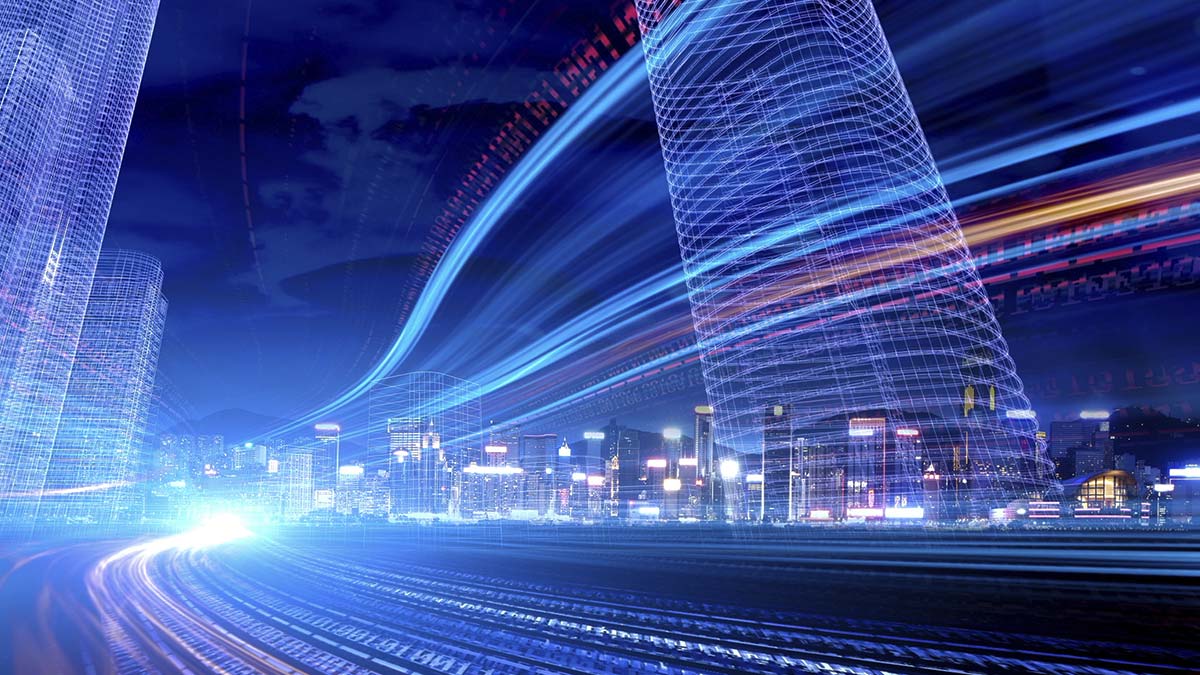
The Internet of the Future will be a more tightly-knit network, not only because more people will be connected, but rather because in an ideal situation, everything may be connected. On the one hand, there will be more devices using connectivity as an essential element for offering services. This is the case of gadgets which, for example, allow us to access a weather station from home and obtain updated information in real time over the Internet, or devices such as e-readers that access content in a transparent way, and many more. However – and this is the novel part – objects in the physical world which previously lacked this kind of connectivity will be networked: cars, buildings, highways, appliances, urban elements and everything we need to manage or control. Without a doubt, this new “networked reality” will show us a new way to run a house and manage any infrastructure, a company, a community or even a country's economy.


The Internet of Things will bring us services that will complement information in the world and facilitate its analysis. On the one hand, it will permit us to monitor the behaviour of people and things through time and space and bring together services such as presence-based advertising or the management and follow-up on a supply chain in a company. In addition, having enriched information about the world will translate to heightened consciousness, which could even evolve to enable real-time consciousness about our physical surroundings.
The Internet of Things will increase our knowledge of our physical surroundings: reality will be complemented and enriched, evolving to improve our daily lives.
Want to know more? You can download the entire report we have prepared for this and other content related to Internet of the Future here. | |
|
|
|
|
|
|
|
|
|
|
|
|
|
|
|
|